
The evolution of music release formats has shaped how audiences experience music over the decades. From singles to full-length albums and DJ mixes, each format serves a unique purpose for artists and listeners alike. Understanding these formats is essential for musicians aiming to release music strategically and for fans who want to appreciate the artistry behind each type.
Singles: The Original Music Format
Singles are among the oldest music formats, originating in the late 19th century when phonograph cylinders played individual tracks. By the 1940s, the 78 RPM record had become the standard, featuring a single song on each side. The introduction of the 7-inch vinyl single in 1949 solidified the modern single format. Often paired with a B-side, singles allowed artists to experiment and promote albums effectively.
In today’s digital era, singles remain a crucial tool for connecting with audiences and generating excitement. Streaming platforms enable artists to release singles more frequently, maintain visibility, and increase playlist placements. Singles are perfect for testing new sounds, building hype for upcoming albums, or keeping fans engaged between larger releases.
Extended Plays (EPs): Popular Music Release Format
Extended Plays, or EPs, emerged in the 1950s as a way to offer more music than a single without the commitment of a full album. Typically containing 3 to 6 tracks and lasting under 30 minutes, EPs are ideal for artists with growing discographies or limited material.
During the 1980s and 1990s, EPs became popular among punk, indie, and alternative bands as a cost-effective method for releasing music. Today, both emerging and established artists use EPs to experiment with new styles, maintain audience engagement, and introduce themselves to new listeners.
Long Play Records (LPs): Classic Album Release Format
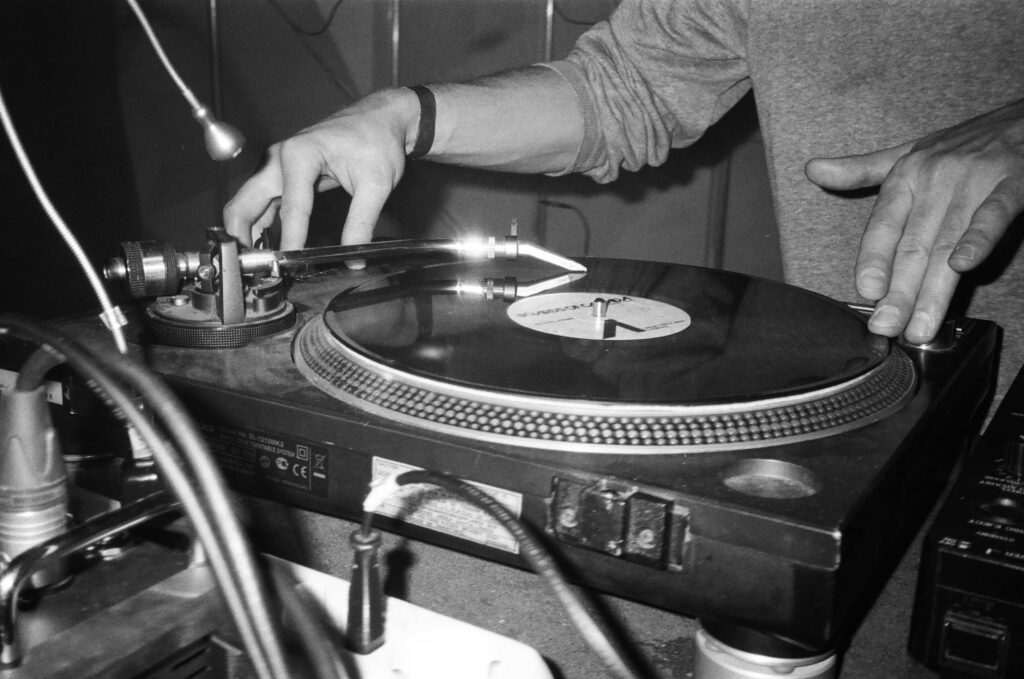
The Long Play (LP) record, launched by Columbia Records in 1948, marked the start of the album era. LPs typically run 30 to 50 minutes and allow artists to craft cohesive works with thematic continuity, often resulting in concept albums.
Albums remain a cornerstone of music release strategy, providing a platform for artists to tell complete stories, explore artistic visions, and create immersive listening experiences. Digital albums continue to uphold the LP tradition, giving listeners a structured and memorable journey through an artist’s music.
Compilation Albums: Curated Music Release Formats
Compilation albums gather an artist’s greatest hits or curate themed selections. Early examples include soundtrack albums and classical music collections. Compilations often feature multiple artists or highlight specific genres, providing a diverse listening experience in a single package.
Today, compilation albums remain popular for commemorating anniversaries, showcasing specific themes, or reaching niche audiences with carefully curated content.
DJ Mixes: Continuous and Curated Experiences
The history of DJ mixes began in the 1970s with the rise of disco and electronic music. DJs created continuous sets that seamlessly blended tracks, offering an auditory journey for dance floors.
In the modern era, DJ mixes are widely accessible via streaming platforms, giving fans the chance to enjoy curated playlists or live sets from their favorite DJs. DJ mixes emphasize creativity, technical skill, and the ability to craft a cohesive listening experience.

Choosing the Right Format for Your Music
Understanding the unique characteristics of each music format helps both artists and listeners make informed decisions:
- Singles are perfect for generating hype, testing new styles, or gaining playlist attention.
- EPs allow artists to explore new sounds and provide fans with a more substantial taste of their work.
- LPs are ideal for telling a complete story or presenting a unified artistic vision.
- Compilation albums offer curated experiences or highlight key milestones in an artist’s career.
- DJ mixes showcase continuous, immersive sets for fans of dance, electronic, or curated music experiences.
For artists, selecting the right format can influence marketing strategy, fan engagement, and overall career trajectory. For listeners, understanding these formats enriches appreciation for the intent behind each release.