

For many independent artists, owning your masters is one of the most important steps toward true creative freedom and financial control. In simple terms, your masters represent the foundation of your music’s value — but what does it actually mean to own them, and why is it essential to understand this concept in 2025?
Let’s explore exactly what master ownership is, how it affects your career, and how you can take control of your music.
What Are Masters and Why They Matter
Owning your masters means owning the original sound recordings — the “master recordings” — of your songs. Every stream, download, or reproduction of your music originates from this master file. Because of this, whoever owns the master recording holds the power to determine how, when, and where your music is used.
This ownership represents not just financial gain but also creative independence. When you control your masters, you control your music’s destiny.
Understanding the Meaning of Owning Your Masters
Owning your masters means you have complete control over your original sound recordings — not a record label, publisher, or third party. When you own your masters, you decide how your songs are used, distributed, and monetized across platforms like Spotify, Apple Music, YouTube, and beyond.
This control extends beyond creative freedom — it directly affects your ability to earn income and build long-term wealth as an artist.
What Is a Master Recording?
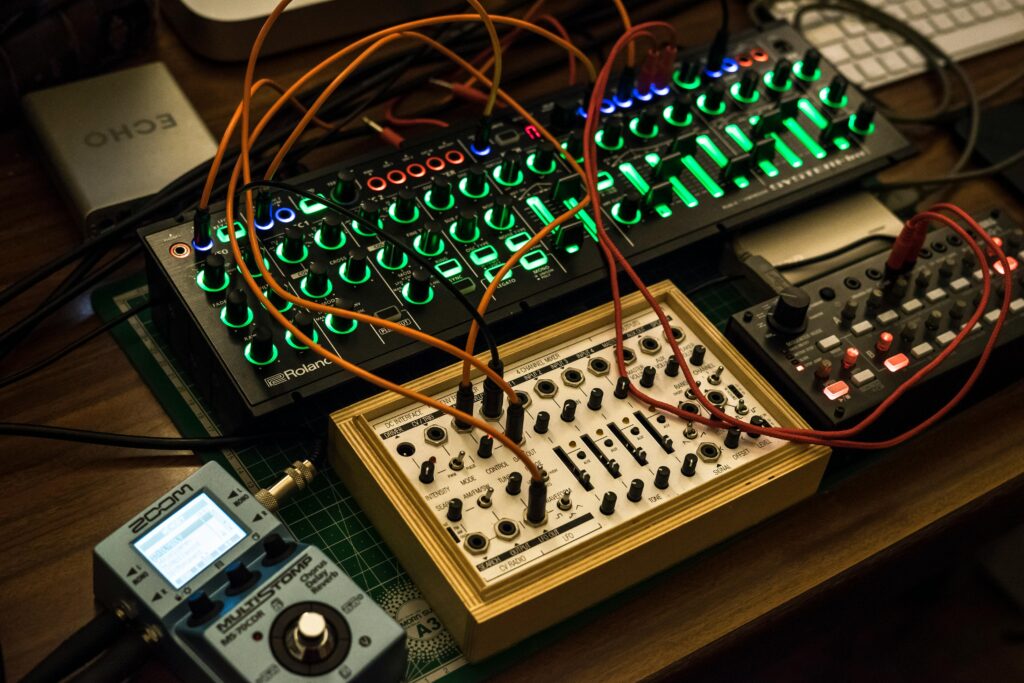
A master recording is the very first, original version of a song from which all copies and streams are made. In copyright terms, it’s the recording that grants the master rights to the owner.
These master rights allow the holder to:
- Earn royalties every time the song is streamed, sold, or licensed
- Control how the track is distributed
- Approve sync placements for film, TV, or advertising
Typically, master rights belong to either the artist or the record label, depending on the recording agreement.
Master Rights vs. Publishing Rights
To fully understand owning your masters, it’s important to distinguish between master rights and publishing rights.
- Master Rights: Cover the original recording.
- Publishing Rights: Cover the underlying musical composition — melody, lyrics, and arrangement.
Publishing rights are generally held by songwriters or composers, while master rights are often owned by record labels unless otherwise negotiated.
Neighbouring Rights and International Royalties
By owning your master rights, you’re also eligible to collect neighbouring rights royalties. These are generated whenever your music is played publicly — on radio, TV, or in venues overseas. These additional royalties can become a valuable income stream, especially for independent artists expanding internationally.
Why Owning Your Masters Is Crucial for Artists
In 2025, owning your masters is more important than ever. It ensures:
- Full control over how your music is used
- Higher royalty income
- Creative freedom to produce and distribute as you choose
This ownership empowers you to make decisions without interference from labels or investors who might otherwise dictate creative direction.

Licensing and Music Usage Rights
When you own your masters, no one can use your music without your explicit permission. This includes:
- Sync placements in ads, films, and TV
- Sampling or remixes
- Reissues or compilations
You decide how, where, and when your music appears. For example, if a major brand wants to use your track for an advertisement, the license fee and terms are entirely under your control.
Earning More Money by Owning Your Masters
Financially, owning your masters means more of the revenue goes directly to you.
In traditional record deals, labels collect most of the royalties from streaming and licensing, leaving artists with a small percentage. By contrast, when you own your masters, you receive the majority of earnings from every stream, sync placement, and reproduction.
This long-term ownership also means your music continues to earn for you and your family long after release.
Building Your Musical Legacy Through Master Ownership
Your music can continue generating income for years — even decades — through royalties, sync deals, and streaming. If you own your masters, those profits benefit you and your loved ones, not a third-party label.
Master ownership transforms your catalog into an asset that can grow in value over time, serving as a lasting legacy of your creativity and success.

Empowerment and Artistic Freedom Through Master Ownership
Perhaps the most valuable benefit of owning your master recordings lies in the creative freedom it brings. Without control of your masters, record labels can decide how your music is released, marketed, and even altered.
When you own your masters, you can:
- Release your music whenever you choose
- Choose which platforms to distribute through
- Experiment artistically without restrictions
This level of autonomy allows you to remain authentic to your vision.
How Artists Lose Control of Their Masters
Historically, most artists signed contracts that required them to transfer ownership of their masters to record labels. In exchange, labels funded recording sessions, promotion, and distribution.
While this arrangement provided exposure, it also meant surrendering control over your creative work — sometimes indefinitely.
In 2025, the industry has shifted toward more artist-friendly deals, but it’s still vital to understand the fine print of any contract before signing.
How to Own Your Masters in 2025
1. Stay Independent and Self-Release
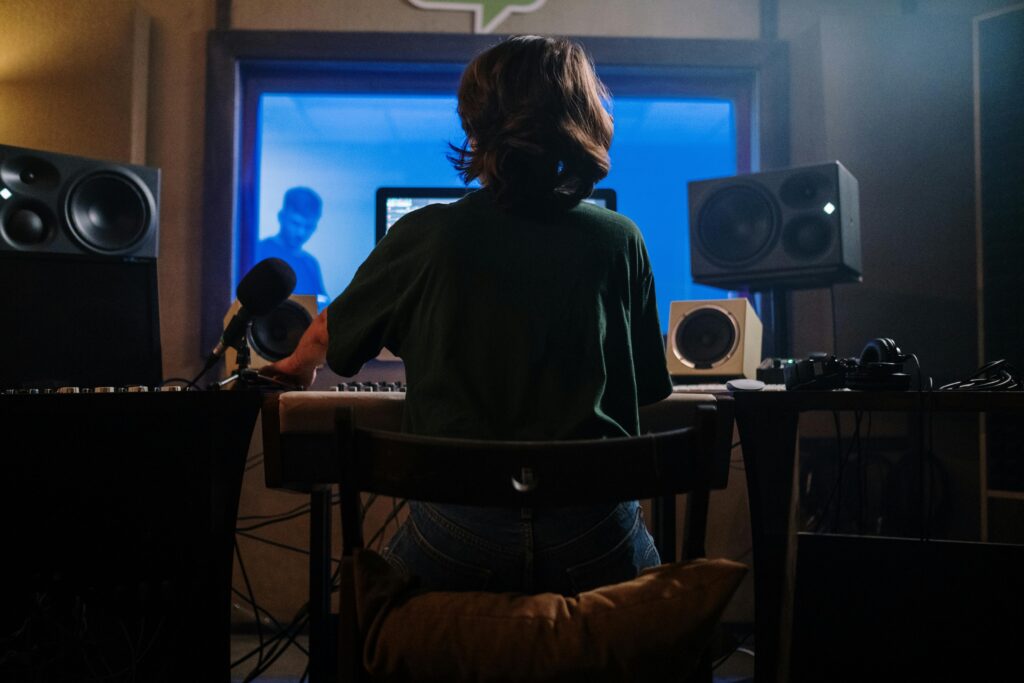
The easiest way to own your masters is to release your music independently. Platforms that allow you to distribute your songs while retaining 100% ownership of your masters.
2. Negotiate Smart Label Deals
If you choose to work with a label, ensure your contract specifies that you retain ownership of your masters — or at least secure a clause that allows you to reclaim ownership after a certain period. Always consult a music lawyer before signing.
3. Start Your Own Record Label
Another option is to create your own label and distribute through partners like Ditto. This route allows you to own your masters, control your brand, and collect all profits directly.
Legal Aspects of Owning Your Masters in 2025
Copyright and Contract Awareness
Owning your masters means holding the copyright to your recordings. Always register your work with performing rights organizations (PROs) and ensure contracts clearly state your ownership terms.
Reclaiming Masters from Record Labels
Some artists can regain ownership after a certain number of years, depending on national copyright laws or contract clauses. Understanding your legal rights is key to regaining control of your music.
How Owning Your Masters Builds Your Music Legacy
Owning your masters is not just about short-term gains — it’s about legacy. Your music can continue earning for you and your family long after release. By keeping ownership, you ensure your creative work remains part of your long-term wealth and artistic impact.
The Future of Owning Your Masters in the Music Industry
With the rise of digital distribution, social media, and fan-driven platforms, artists today have more tools than ever to take control of their careers.
Owning your masters in 2025 means more than financial gain — it represents creative independence, artistic legacy, and empowerment in a rapidly evolving industry.
Final Thoughts on Owning Your Masters in 2025
In the modern music industry, owning your masters is one of the most powerful ways to secure your independence and future income. Whether you stay independent, start your own label, or negotiate better contracts, taking control of your master recordings ensures that your creative legacy — and your earnings — remain yours.
Owning your masters in 2025 isn’t just about money. It’s about freedom, empowerment, and lasting ownership of the art you’ve created.
Frequently Asked Questions (FAQs) about Owning Your Masters
1. What does it mean to own your masters in music?
Owning your masters means you hold the copyright to your original sound recordings. You decide how your music is used, licensed, or distributed, and you collect royalties directly from its use.
2. Why is owning your masters important for artists?
It gives you creative control, higher royalty income, and long-term financial security. You decide how your music is monetized instead of relying on a label.
3. How can I own my masters as an independent artist?
Distribute your music independently through platforms like DistroKid, Ditto or TuneCore. By self-releasing, you automatically retain ownership of your masters.
4. What’s the difference between master rights and publishing rights?
Master rights cover the recording of a song, while publishing rights cover the composition (melody, lyrics, and arrangement). Both generate separate royalties.
5. Can artists buy back their masters from record labels?
Yes. Many artists negotiate to buy back their masters after a certain time or once financial obligations are met. The process depends on the terms of your original contract.
6. Do master owners get paid from streaming?
Yes. The owner of the master recording receives royalties each time the track is streamed, downloaded, or licensed on platforms like Spotify, Apple Music, or YouTube.
7. What are neighbouring rights in music?
Neighbouring rights are royalties paid to artists and master owners when their recordings are played publicly — such as on radio, television, or in live venues.