

What is music distribution?
Simply put, music distribution is the process of making your songs available to listeners across the world. It involves delivering your tracks to streaming platforms like Spotify, Apple Music, Amazon Music, and YouTube Music, as well as physical formats such as vinyl, CDs, or cassettes.
In 2025, music distribution has become a crucial part of every artist’s release plan. With billions of people consuming music daily, distribution ensures your songs reach the right audience on the platforms they already use. Whether you’re an independent artist or part of a label, understanding music distribution is the first step to building a successful career.
How does music distribution function?
Back in the primitive era of physical music consumption (including any form of sheet music, printed scores, CDs, vinyl, cassettes, etc.), music distributors primarily focused on delivering physical music to every record shop, wholesaler, and outlet that facilitated the sale or use of music.
To this day, the function of a music distributor, sometimes referred to as a music aggregator, is somewhat similar. However, it predominantly exists online now. During the peak era of CDs, vinyl, and cassettes, the recorded music industry was largely a physical one.
In 2025, physical music sales account for only about a quarter of total recorded music. Thus, as you may have expected, the digital music sector has become the primary driving force in the industry overall, and this trend doesn’t seem poised to change any time soon.
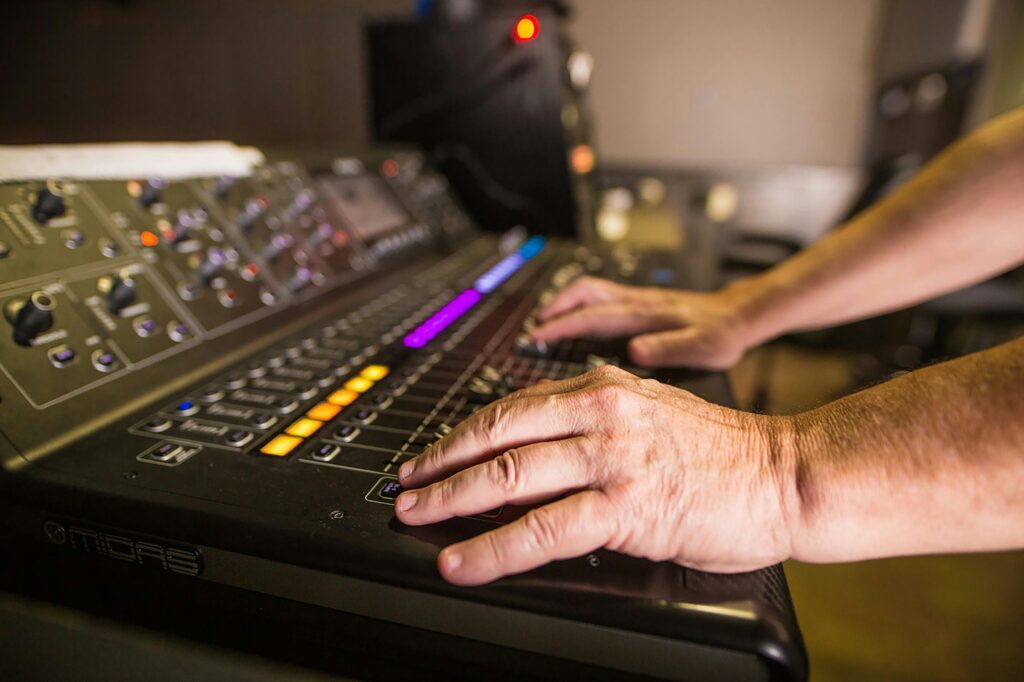
What Is Music Distribution and Why Does It Matter?
Back in the early days of the music industry, distribution meant shipping records, tapes, or CDs to physical stores. Distributors were responsible for making sure your album appeared in music shops, wholesalers, and retail outlets.
Today, things look very different. Most music is consumed digitally, which means distribution now happens online. Instead of moving physical stock, music distributors—sometimes called aggregators—deliver digital files to streaming services and download stores.
So why does it matter? Without a distributor, your music would never appear on major platforms, meaning you’d miss out on streams, fans, and royalties. Distribution is the link between your creative work and your audience.
How Does Music Distribution Work in 2025?
Music distribution in 2025 is streamlined but still requires precision. Here’s a breakdown of how it works:
- Upload your music – You provide your distributor with the final audio files, artwork, and metadata (song title, credits, release date, etc.).
- Distributor delivers – The distributor sends your music to DSPs (Digital Service Providers) like Spotify, TikTok, Deezer, and more.
- Music goes live – Your tracks become available for streaming, downloads, and social sharing.
- Royalties are collected – As fans listen, download, or use your songs, DSPs pay royalties to your distributor, who then pays you.
- Analytics and promotion – Many distributors also provide dashboards to track listener data and tools to promote your release.
This process makes it possible for independent artists to share their music worldwide without needing a traditional record deal.
Responsibilities of a Music Distributor
Modern distributors do far more than just deliver music. Their main responsibilities include:

1. Releasing Music to Online Platforms
Music distributors handle the technical process of delivering your tracks to every platform. From Spotify and Apple Music to TikTok, Instagram, and niche platforms, they ensure your music is uploaded correctly with accurate metadata.
2. Managing Music Royalties
Every time your track is streamed, downloaded, or purchased, you earn royalties. Distributors collect this revenue and pay it out to you, saving you the hassle of managing dozens of separate agreements with platforms.
3. Supporting Promotion and Growth
Some distributors offer additional services such as playlist pitching, SmartLinks, pre-save campaigns, and promotional tools. This helps you market your music effectively while focusing on your creative work.
4. Providing Analytics and Insights
Understanding your audience is key to growth. Many distributors give you detailed data on who is streaming your music, where they’re located, and which platforms are performing best. These insights can guide your future marketing strategy.
Why Is Music Distribution Essential for Artists?
If you’re wondering why music distribution is important, here are a few reasons:
- Global reach: Your music becomes available to billions of listeners worldwide.
- Income generation: You earn royalties from streams and sales.
- Visibility and credibility: Being on major platforms builds your professional reputation.
- Analytics: Access valuable data to understand your audience better.
- Support tools: Many distributors provide marketing and promotion features.
Without music distribution, your songs would remain unheard outside of your immediate circle. With it, you have the chance to compete on the same platforms as major artists.
Types of Music Distribution
Not all distributors are the same. Here are the main types:
Traditional Physical Distribution
This involves delivering vinyl, CDs, or tapes to record stores. While less common today, physical distribution still matters for fans who enjoy collecting physical music.
Digital Music Distribution
The most common form in 2025, digital distribution focuses on getting your tracks to streaming platforms and digital download stores. It’s the most efficient way to reach a global audience.
Hybrid Distribution
Some distributors offer both physical and digital services, giving artists the option to reach collectors and casual listeners alike.

How to Choose the Right Music Distributor
Not all distributors will fit your needs. When choosing one, consider the following:
- Pricing model: Do they charge a flat fee per release, an annual subscription, or take a percentage of your royalties?
- Platform reach: Do they deliver to all major DSPs and niche platforms in your target markets?
- Features offered: Do they provide playlist pitching, promotional tools, or analytics dashboards?
- Artist support: How responsive is their customer service?
- Reputation: Do other independent musicians recommend them?
Choosing the right distributor can make or break your release strategy.
Final Thoughts: What Is Music Distribution in 2025?
So, what is music distribution in 2025? It’s the process that transforms your music from files on your laptop into songs available worldwide. It connects artists to audiences, generates income, and provides tools to grow a sustainable career.
Whether you’re releasing your first single or your tenth album, working with a distributor is essential. Great music deserves to be heard—and music distribution is the gateway to making that happen.